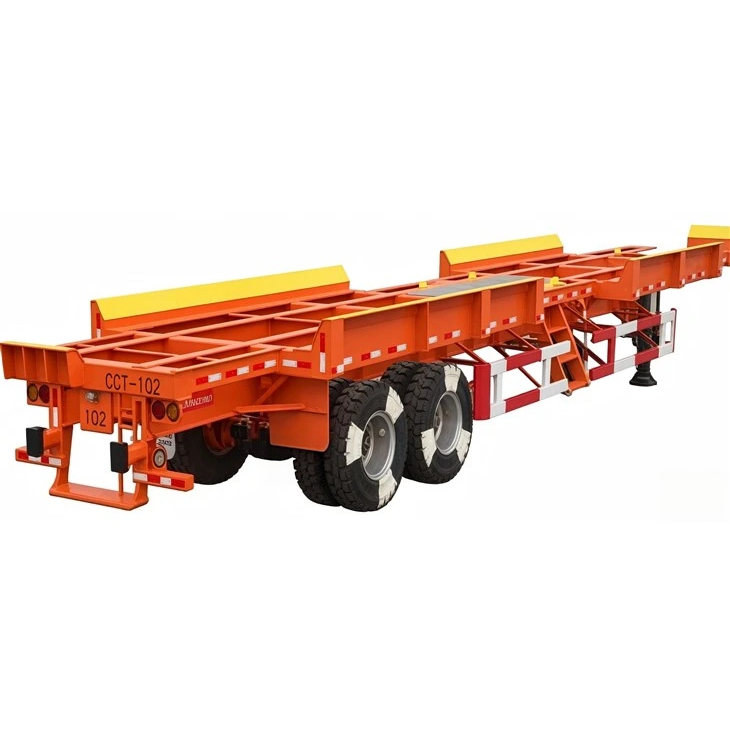


During the towing process, safety is the primary consideration. Neglecting safety precautions can lead to accidents or vehicle damage.
1. Equipment Inspection
Before each use, towing equipment should be thoroughly inspected. Check the tow bar, ropes, or brackets for any cracks, wear, or corrosion. Ensure that the locking mechanisms on connectors are functioning correctly and pose no risk of coming loose. If the equipment is old or damaged, replace it immediately; do not attempt to use it regardless.
2. Vehicle Limitations
Different vehicles have their own specific towing limitations. Consult your vehicle's owner's manual to determine the recommended maximum towing weight and speed limits. Do not overload the tow vehicle, as this could result in a loss of control of the towing vehicle or damage to the towed vehicle. For vehicles with automatic transmissions, special care must be taken to protect the gearbox during towing; some models require shifting into neutral or engaging a specific towing mode.
3. Adapting to Road Conditions
When towing, you must adjust your driving style to suit the prevailing road conditions. On slippery surfaces, steep inclines, or winding roads, reduce your speed and increase the safe following distance between your vehicle and the one ahead. Avoid towing in adverse weather conditions-such as heavy rain, ice, or snow-to prevent reduced visibility or insufficient tire traction. If towing under such conditions is unavoidable, use snow chains or opt for a safer alternative towing method.
4. Legal Compliance
Towing operations must comply with all applicable traffic regulations. In most jurisdictions, towed vehicles are required to display a prominent warning sign-such as a "TOWING" placard-to alert other motorists. Ensure that the towing vehicle's lighting system is fully functional, including the brake lights and turn signals. Some regions have specific regulations regarding towing speeds or lane usage; familiarize yourself with these rules in advance and adhere to them strictly.
5. Handling Emergencies
Emergencies may arise during the towing journey, such as equipment detachment, loss of control of the towed vehicle, or a tire blowout. The driver must remain calm, slow down gradually, and pull over to the side of the road. The vehicle should be equipped with emergency supplies, such as warning triangles, a fire extinguisher, and a first-aid kit. If the issue cannot be resolved independently, contact a professional roadside assistance service; do not risk continuing to drive with a compromised setup.