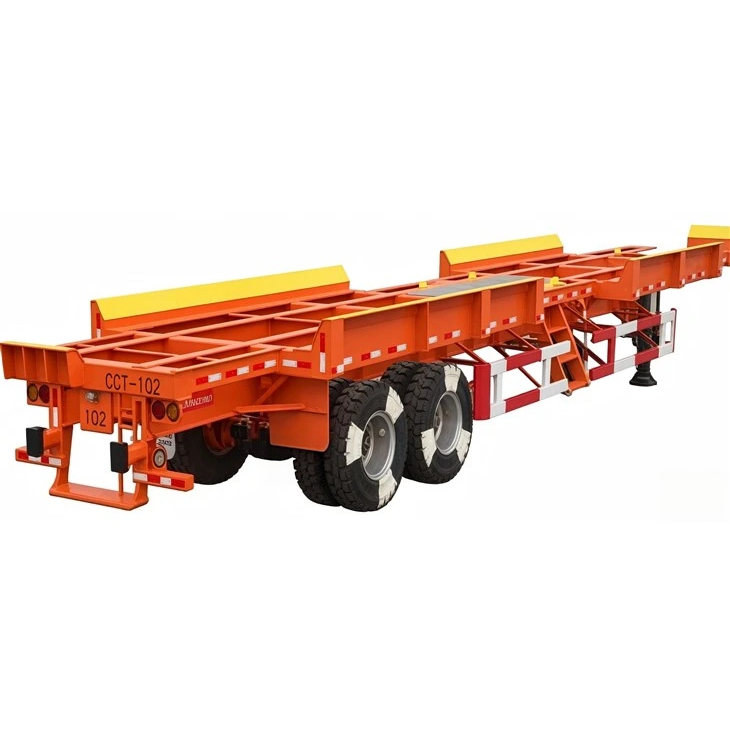


Simply put, it is a type of semi-trailer specifically designed for transporting oversized, extra-wide, and overweight cargo. The term "gooseneck" in its name vividly describes the physical form of the connection point between the kingpin and the main beam-resembling a swan's neck, it features a distinct downward curve. This design constitutes one of the core characteristics of the entire vehicle.
The most distinctive feature of a gooseneck lowboy trailer is, naturally, its "gooseneck" section. This dropped design is not merely for aesthetic appeal; rather, it serves critical functional purposes.
* Lowering the Loading Platform Height: This is the primary objective of the gooseneck design. By lowering the towing connection point, the vehicle's main load-bearing platform (the "lowboy" section) can be positioned extremely close to the ground. In cities like Chongqing-characterized by steep gradients, numerous curves, and frequent encounters with height-restricted structures such as bridges and tunnels-a lower loading platform height allows for the transport of taller cargo without excessive concern regarding overhead clearance limits, thereby significantly enhancing the vehicle's passability and versatility.
* Enhancing Stability: Since the cargo is carried at a lower elevation, the vehicle's overall center of gravity is correspondingly lowered. When navigating Chongqing's undulating terrain or executing turns, this low center of gravity effectively mitigates the risk of vehicle rollover, thereby improving stability and safety during transport operations.
* Facilitating Loading and Unloading: The low-profile design of the platform allows heavy machinery-such as excavators, road rollers, and large machine tools-to drive directly onto or off the trailer, either under their own power or with the aid of small ramps. This streamlines the loading and unloading process, reduces reliance on heavy-duty lifting equipment, and ultimately boosts operational efficiency.
In addition to the gooseneck structure, these trailers are typically equipped with multiple tandem axles (i.e., multiple sets of wheels) to distribute the immense weight of the cargo across a larger contact area, thereby ensuring compliance with road load-bearing regulations. Furthermore, the flatbed section often features checkered steel plating to increase surface friction and prevent the cargo from shifting or sliding during transit.